
Bulging Eyes (Proptosis)
Bulging eyes occur when one or both eyes appear to project farther forward than usual. The medical terms for this change are proptosis and exophthalmos. Some people naturally have prominent eyes, but a new or increasing change in eye position can be caused by thyroid eye disease, inflammation, infection, bleeding, injury, or a growth within the eye socket.
A bulging eye should not be diagnosed from appearance alone. Prompt examination is especially important when the change develops suddenly, affects only one eye, or occurs with pain, redness, double vision, fever, difficulty moving the eye, or decreased vision.
Have you noticed that one or both eyes appear more prominent?
What Are Bulging Eyes?
Bulging eyes develop when the eye is displaced forward within the bony eye socket, known as the orbit. This may happen because the tissues, muscles, blood vessels, or fat behind the eye become swollen or enlarged, or because a mass or collection of blood or fluid occupies space within the orbit.
The appearance may involve:
- One eye or both eyes
- A mild or pronounced change
- Gradual or sudden onset
- Eyelid retraction that makes the eyes appear wider
- Difficulty closing the eyelids completely
- Increased visibility of the white portion of the eye
Some people naturally have prominent eyes because of their facial structure. However, an eye that has recently moved forward or appears different from the other eye should be evaluated.
Are Bulging Eyes the Same as Prominent Eyes?
Not always. Some people have naturally prominent eyes because of genetics, facial anatomy, or the shape of the eye sockets. Their eyes may have always looked this way and may not be associated with disease.
True proptosis represents a measurable forward displacement of the eye. It may be suspected when:
- The appearance is new or changing
- One eye is more prominent than the other
- Previous photographs show a difference
- The eyelids no longer close completely
- There is pain, redness, swelling, or double vision
- The eye does not move normally
An eye examination can determine whether the appearance reflects normal anatomy, eyelid retraction, or true displacement of the eye.
What Symptoms Can Occur With Bulging Eyes?
Additional symptoms depend on the underlying cause and may include:
- Eye redness
- Dryness or irritation
- Excessive tearing
- A gritty or sandy sensation
- Pressure or aching behind the eye
- Eyelid swelling
- Difficulty closing the eyelids
- Light sensitivity
- Blurry vision
- Double vision
- Reduced color vision
- Pain with eye movement
- Restricted eye movement
- Headache
- Fever
- A visible difference between the eyes
Bulging eyes can expose more of the ocular surface to the air. This may interfere with blinking and cause dryness, irritation, or damage to the cornea.
What Causes Bulging Eyes?
Several eye, orbital, thyroid, vascular, and neurological conditions can cause one or both eyes to become more prominent.
Thyroid Eye Disease
Thyroid eye disease, also called Graves’ eye disease or thyroid-associated orbitopathy, is one of the most common causes of bulging eyes in adults. It is an autoimmune condition in which inflammation affects the muscles and fatty tissues surrounding the eyes. The swelling can push the eyes forward and interfere with normal eyelid and eye movement.
Symptoms may include:
- Bulging or prominent eyes
- Eyelid retraction
- Redness
- Eyelid swelling
- Dryness or tearing
- Pressure behind the eyes
- Pain with eye movement
- Double vision
- Difficulty closing the eyelids
- Changes in vision
Thyroid eye disease most commonly occurs with Graves’ disease but can also develop in people with normal or low thyroid hormone levels. The National Eye Institute notes that the condition is often mild but may cause double vision and, less commonly, threaten vision.
Orbital Cellulitis
Orbital cellulitis is a serious infection of the tissues behind and surrounding the eye. It can occur after a sinus infection or, less commonly, following an injury or another nearby infection.
Symptoms may include:
- A rapidly bulging eye
- Painful eyelid swelling
- Fever
- Red or discolored eyelids
- Pain with eye movement
- Difficulty moving the eye
- Double vision
- Decreased vision
Orbital cellulitis requires immediate medical treatment because the infection can threaten vision and spread to nearby structures.
Orbital Inflammation
Inflammation can develop within the eye socket even when no infection is present. This may affect the eye muscles, tear gland, surrounding fat, or other orbital tissues.
Symptoms may include:
- Sudden pain
- Swelling
- Redness
- Bulging of one or both eyes
- Pain with eye movement
- Double vision
Some cases are associated with autoimmune or inflammatory diseases, while others have no identifiable systemic cause.
Orbital Tumors or Growths
Benign or cancerous growths can develop within the orbit and gradually push the eye forward.
Possible signs include:
- Slowly increasing prominence of one eye
- Eyelid swelling
- A visible or palpable mass
- Double vision
- Restricted eye movement
- Vision changes
- Displacement of the eye in a particular direction
A gradually bulging eye, particularly when it affects only one side, should be examined even when it is not painful.
Bleeding Behind the Eye
Bleeding within the orbit can occur after trauma, surgery, certain vascular events, or in people taking blood-thinning medication. Because the eye socket is a confined space, rapidly accumulating blood may increase pressure on the eye and optic nerve. Sudden bulging with severe pain, tight eyelids, or reduced vision is an emergency.
Eye or Facial Injury
Blunt trauma, fractures around the eye socket, or penetrating injuries can cause swelling, bleeding, or displacement of the eye.
Urgent evaluation is necessary when bulging follows an injury, particularly if there is:
- Reduced vision
- Double vision
- Severe pain
- Nausea or vomiting
- An irregular pupil
- Difficulty moving the eye
- Blood inside or around the eye
Blood Vessel Abnormalities
Abnormal connections or changes involving blood vessels behind the eye can cause pulsating or progressive proptosis.
Symptoms may include:
- A red or bulging eye
- A pulsing sensation
- A whooshing sound
- Enlarged blood vessels on the eye
- Double vision
- Increased eye pressure
- Headache
These conditions often require specialized imaging and coordinated treatment.
Severe Sinus Disease
The sinuses are located close to the eye sockets. Severe sinus infections, mucoceles, or other sinus conditions may extend into or place pressure on the orbit.
Congenital or Developmental Conditions
Some infants and children are born with conditions that affect the size or shape of the eye sockets, skull, blood vessels, or orbital tissues. These conditions may cause one or both eyes to appear prominent.
Can Thyroid Problems Cause Bulging Eyes?
Yes. Thyroid eye disease is a leading cause of bilateral bulging eyes in adults.
The immune system mistakenly attacks tissues around the eyes, causing inflammation and swelling of the eye muscles and orbital fat. This can push the eyes forward, pull the eyelids upward, and make blinking or closing the eyes more difficult.
Eye symptoms and thyroid hormone levels do not always progress together. A person can develop active thyroid eye disease even when laboratory thyroid levels are controlled.
Smoking is associated with a greater risk of developing more severe thyroid eye disease. Patients with the condition should discuss smoking cessation and thyroid management with their medical team.
Can One Eye Bulge More Than the Other?
Yes. Proptosis can be unilateral or asymmetric.
One-sided bulging may be associated with:
- Orbital infection
- Inflammation
- A tumor or cyst
- Bleeding behind the eye
- Trauma
- A blood vessel abnormality
- Sinus disease
- Asymmetric thyroid eye disease
A new difference between the eyes should be evaluated, even if it develops gradually and does not cause pain.
When Are Bulging Eyes an Emergency?
Seek immediate medical attention when bulging develops suddenly or occurs with:
- Reduced or lost vision
- Severe eye pain
- Pain when moving the eye
- New double vision
- Fever
- Rapidly increasing eyelid swelling
- Inability to move the eye normally
- A severe headache
- Nausea or vomiting
- Recent eye or facial trauma
- A tight, firm, or difficult-to-close eyelid
- Changes in the pupil
- Loss of color vision
- Confusion, weakness, or other neurological symptoms
Sudden bulging with pain, fever, restricted movement, or reduced vision may indicate infection, bleeding, or increased pressure within the orbit. General eye-emergency guidance also recommends urgent care for painful red eyes, any significant change in vision, penetrating injuries, or chemical exposure.
How Are Bulging Eyes Diagnosed?
Your eye doctor will compare the position of the eyes and evaluate whether the change is caused by the eye itself, the eyelids, or structures within the orbit.
The examination may include the following.
Medical and Symptom History
Your doctor may ask:
- When the change was first noticed
- Whether it developed suddenly or gradually
- Whether one or both eyes are affected
- Whether older photographs show the same appearance
- Whether you have thyroid disease
- Whether you have pain, fever, double vision, or vision changes
- Whether there has been an injury or recent surgery
- Which medications you take
Visual Acuity Testing
Your vision is measured in each eye to determine whether the condition is affecting visual function.
Pupil and Color Vision Testing
The pupils and color vision may be tested for signs that pressure or inflammation is affecting the optic nerve.
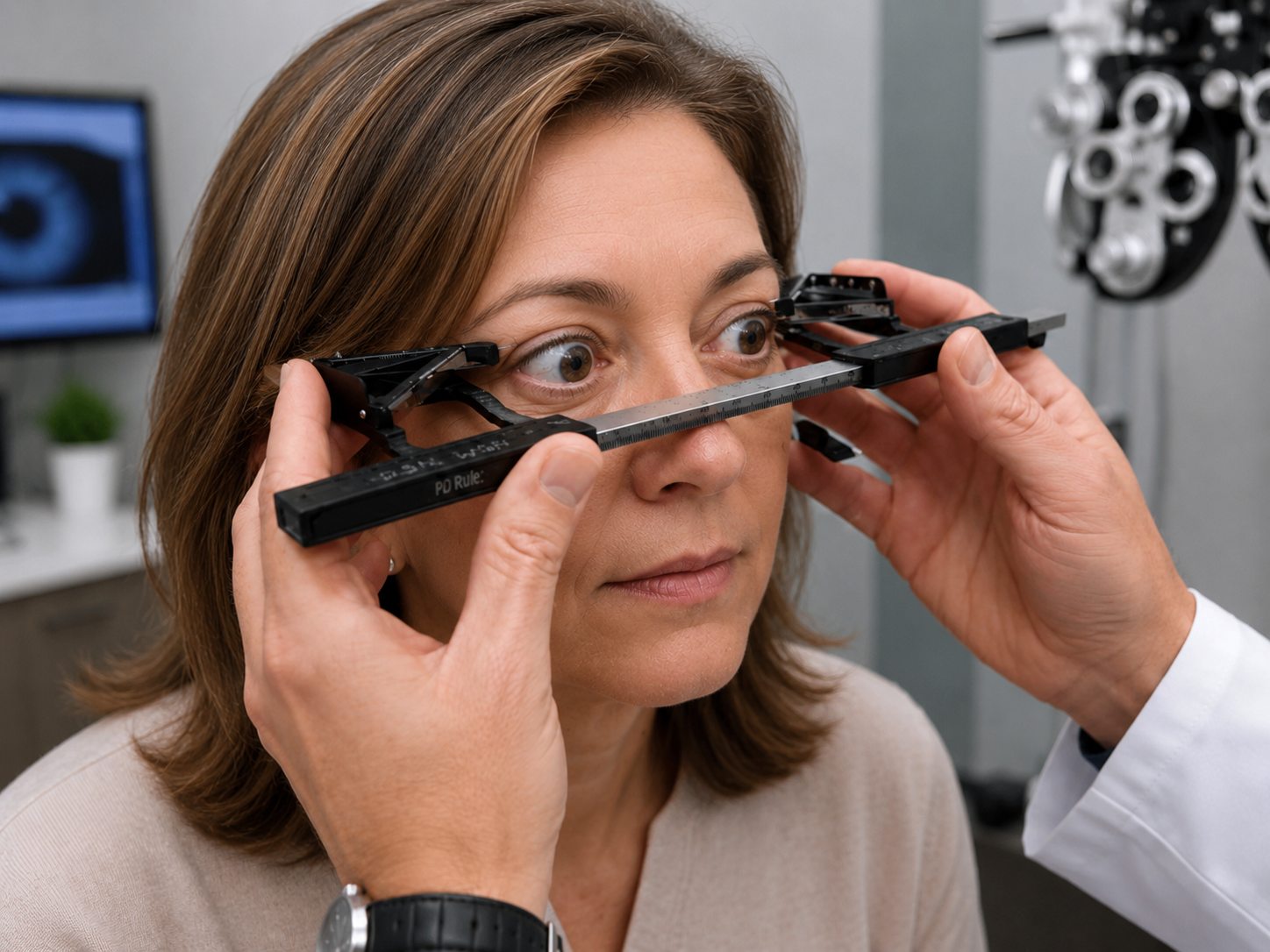
Eye Movement and Alignment Testing
Your doctor will evaluate whether the eyes move fully and whether restricted muscles are causing double vision.
Slit-Lamp Examination
A slit lamp allows detailed examination of the eyelids, tear film, conjunctiva, cornea, and front of the eye.
Proptosis Measurement
An instrument called an exophthalmometer may be used to measure how far each eye projects forward. The measurements can help document asymmetry and monitor changes over time.
Eye Pressure Measurement
Eye pressure may be checked in different positions of gaze, particularly when thyroid eye disease or orbital congestion is suspected.
Dilated Eye Examination
The retina and optic nerve are examined for evidence of swelling, compression, inflammation, or other abnormalities.
Blood Testing
Blood tests may be ordered to evaluate thyroid hormone levels, thyroid antibodies, infection, inflammation, or other systemic conditions.
Imaging
CT or MRI imaging may be recommended to examine the eye muscles, optic nerve, sinuses, bones, blood vessels, and other tissues within the orbit.
The evaluation for bulging eyes may include slit-lamp examination, thyroid testing, and other testing selected according to the suspected cause.
How Are Bulging Eyes Treated?
Treatment depends on the underlying condition, the severity of the symptoms, and whether vision is at risk.
Possible treatments include:
- Preservative-free artificial tears
- Lubricating eye ointment
- Moisture protection during sleep
- Treatment of thyroid dysfunction
- Anti-inflammatory medication
- Antibiotics for orbital infection
- Medication for an autoimmune disorder
- Prism lenses for double vision
- Eyelid treatment or surgery
- Eye-muscle surgery
- Orbital decompression surgery
- Treatment of an orbital growth
- Treatment of a blood vessel abnormality
- Emergency treatment for orbital bleeding or optic nerve compression
Artificial tears may help protect an exposed and irritated cornea, but lubrication does not treat the underlying cause of proptosis.
Treatment for Thyroid Eye Disease
Treatment is individualized based on whether thyroid eye disease is active or inactive and whether it is mild, moderate, or vision-threatening.
Lubrication and Surface Protection
Artificial tears, ointments, moisture chambers, or taping the eyelids closed at night may help when the eyes do not close completely.
Thyroid Management
Patients may work with an endocrinologist or primary care physician to maintain stable thyroid hormone levels.
Smoking Cessation
Stopping smoking is an important part of management because smoking is associated with more severe thyroid eye disease and a poorer response to treatment.
Anti-Inflammatory or Targeted Medication
Medication may be recommended during the active inflammatory stage to reduce swelling and other symptoms.
Prism Glasses
Temporary or permanent prisms may help align double images in selected patients.
Orbital Decompression
Orbital decompression surgery creates more space within the eye socket so the eye can move backward. It may be recommended for severe proptosis, exposure of the cornea, or compression of the optic nerve.
Eye-Muscle or Eyelid Surgery
After the inflammatory stage has stabilized, surgery may be considered to improve double vision, eye alignment, eyelid closure, or appearance.
How Can Bulging Eyes Affect Vision?
Proptosis does not always cause vision loss, but severe or untreated cases may affect vision through:
- Corneal dryness and exposure
- Corneal abrasions or ulcers
- Restricted eye movement
- Double vision
- Increased eye pressure
- Compression of the optic nerve
- Infection or inflammation within the orbit
Signs of optic nerve involvement may include reduced vision, dimmer vision, loss of color intensity, or a new visual field defect. These symptoms require urgent evaluation.
Can Bulging Eyes Cause Dry Eye?
Yes. When an eye projects forward or the eyelids retract, blinking may not spread tears evenly across the ocular surface. The eyelids may also remain partly open during sleep.
This exposure can lead to:
- Burning
- Redness
- Tearing
- Grittiness
- Light sensitivity
- Fluctuating vision
- Corneal damage
Lubricating drops can provide temporary protection, but the underlying cause of the abnormal eye position must also be addressed.
Bulging Eyes in Children
Proptosis in a child is uncommon and should be evaluated promptly.
Possible causes include:
- Orbital cellulitis
- Inflammation
- Trauma
- A congenital abnormality
- A cyst or tumor
- A blood vessel disorder
- Severe sinus disease
Seek urgent care when a child has a bulging eye with fever, eyelid swelling, pain, decreased vision, difficulty moving the eye, or recent illness.
When Should I Schedule an Eye Examination?
Arrange an examination when:
- One or both eyes appear more prominent than before
- One eye looks different from the other
- The eyelids no longer close completely
- You have persistent dryness, redness, or tearing
- You have known thyroid disease and develop eye symptoms
- You experience double vision
- Eye movement becomes uncomfortable or restricted
- The appearance is gradually changing
- You are unsure whether the eyes are naturally prominent
Do not wait for a routine appointment when the change is sudden or accompanied by pain, fever, injury, double vision, or decreased vision.
Frequently Asked Questions About Bulging Eyes
What is the medical term for bulging eyes?
The medical term is proptosis. The term exophthalmos is often used when the bulging is associated with thyroid eye disease.
What is the most common cause of bulging eyes?
Thyroid eye disease is one of the most common causes in adults, particularly when both eyes are affected. Other causes include infection, inflammation, injury, bleeding, vascular abnormalities, and orbital growths.
Can eyes naturally look prominent?
Yes. Facial anatomy, genetics, and the shape of the eye sockets can make the eyes naturally prominent. A new or increasing change should still be examined.
Can bulging eyes affect only one eye?
Yes. Infection, inflammation, trauma, bleeding, an orbital growth, or a vascular condition may cause one-sided proptosis. Thyroid eye disease can also affect the eyes unevenly.
Are bulging eyes always caused by thyroid disease?
No. Thyroid eye disease is a common cause, but it is not the only possibility. An eye examination and sometimes imaging or blood testing are needed to determine the diagnosis.
Can you have thyroid eye disease with normal thyroid levels?
Yes. Thyroid eye disease can occur when thyroid hormone levels are high, low, or within the normal range.
Can bulging eyes return to normal?
The outcome depends on the cause and severity. Some swelling improves with treatment, while other cases require medication or surgery to restore a safer or more natural eye position.
Can lack of sleep cause bulging eyes?
Lack of sleep may cause puffiness or dark circles, but it does not usually cause true proptosis. A persistent change in eye position should be evaluated.
Can allergies make the eyes look like they are bulging?
Allergies may cause eyelid swelling, redness, and irritation that temporarily change the eye’s appearance. They do not usually cause true forward displacement of the eye.
Can bulging eyes cause double vision?
Yes. Swelling or enlargement of the eye muscles can restrict movement and prevent the eyes from aligning properly, causing double vision.
Why can’t I close my eye completely?
Proptosis or eyelid retraction can prevent the upper and lower eyelids from meeting. This exposes the cornea and may lead to dryness or surface damage.
How does an eye doctor measure bulging eyes?
An eye doctor may use an instrument called an exophthalmometer to measure the forward position of each eye and compare the two sides.
Will I need a CT scan or MRI?
Imaging may be recommended when the bulging is new, one-sided, painful, progressive, associated with abnormal eye movements, or not clearly explained by the initial examination.
Are bulging eyes painful?
They may be painless, especially when the change develops gradually. Pain can occur with infection, inflammation, bleeding, injury, or active thyroid eye disease.
Is a suddenly bulging eye an emergency?
Yes. Sudden proptosis may result from bleeding, infection, injury, or a blood vessel problem. Immediate evaluation is particularly important if there is pain, fever, double vision, restricted eye movement, or decreased vision.
Can bulging eyes cause blindness?
Most cases do not result in blindness. Severe exposure of the cornea, orbital infection, or compression of the optic nerve can threaten vision without prompt treatment.
Who treats bulging eyes?
Evaluation may involve an ophthalmologist, optometrist, oculoplastic surgeon, endocrinologist, neurologist, ear, nose and throat specialist, or another physician depending on the cause.
Patient Testimonials
Schedule an Evaluation for Bulging or Prominent Eyes
A naturally prominent appearance may be harmless, but a new or changing eye position can indicate a condition affecting the thyroid, eye socket, eye muscles, blood vessels, or optic nerve.
The doctors at NH Eye Associates can evaluate your vision, eye movements, eyelids, ocular surface, optic nerves, and eye position to determine whether further testing or treatment is needed. Seek immediate care for sudden bulging, severe pain, fever, double vision, difficulty moving the eye, recent trauma, or decreased vision.